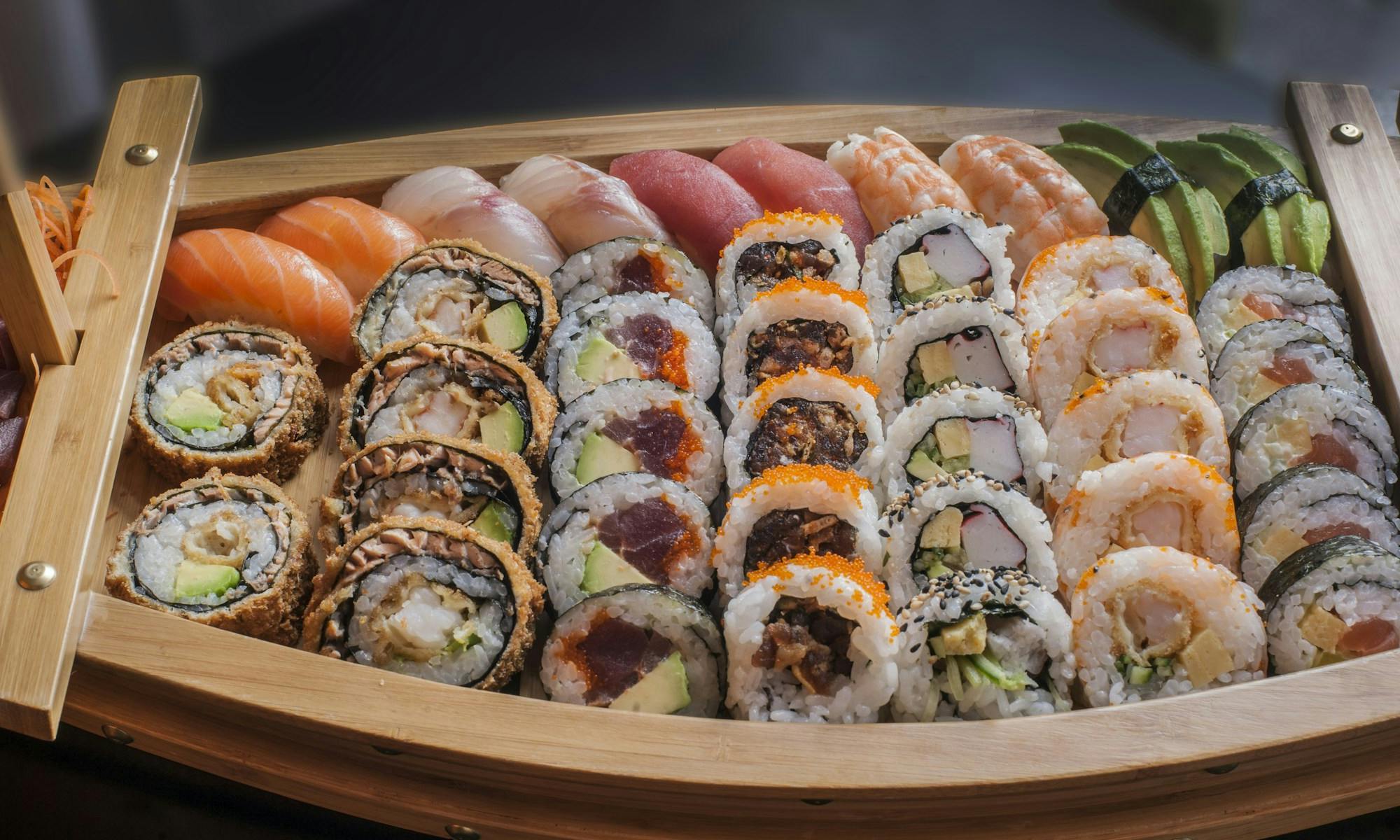

The Art of Tsukiji: Tokyo's Fish Market at Dawn
The alarm rings at 3:45 AM. Outside my hotel in Ginza, Tokyo is dark and silent — a rare state for a city of 14 million. But across the Sumida River, a different world is already wide awake.
The Outer Market Lives On
While the famous tuna auctions moved to Toyosu in 2018, Tsukiji's outer market remains a thriving labyrinth of over 400 shops and stalls. By 5 AM, the narrow alleys are alive with vendors setting out glistening fish, stacking towers of tamagoyaki (Japanese omelet), and firing up grills for the morning rush.
Breakfast of Champions
At Sushi Dai — now relocated to Toyosu but spiritually still Tsukiji — the omakase breakfast is legendary. For ¥4,000 (about $27), the chef places ten pieces of the freshest sushi you'll ever eat directly on the counter in front of you. The otoro (fatty tuna belly) melts on your tongue like butter. The uni (sea urchin) tastes like the ocean distilled into a single, perfect bite.
The Tamagoyaki Masters
Back at Tsukiji outer market, Tsukiji Yamacho has been making tamagoyaki since the 1930s. They offer two styles: the Kanto style (slightly sweet, firm) and the Kansai style (savory, delicate). Watching the chefs work their rectangular pans in a rhythmic, practiced motion is mesmerizing — layer after layer of egg folded into golden blocks.
Knives and Craftsmanship
Tsukiji is also Japan's premier destination for kitchen knives. At Aritsugu, a shop with over 400 years of history, master craftsmen forge blades from high-carbon steel. A good Japanese knife isn't just a tool — it's an extension of the chef's hand. Prices range from $80 to $3,000, and each blade is engraved with your name.
What to Eat: A Quick Guide
- Sushi — Obviously. Go early for the best selection
- Tamagoyaki on a stick — The perfect walking snack
- Grilled scallops — Plump, buttery, straight from Hokkaido
- Matcha mochi — Fresh-pounded rice cakes with green tea
- Oysters — Raw, grilled, or with ponzu
The Philosophy of Freshness
What makes Tsukiji special isn't just the food — it's the philosophy. In Japan, freshness isn't a marketing term; it's a moral obligation. The fishermen, the auctioneers, the sushi chefs — every link in the chain understands that their role is to honor the ingredient. Nothing is wasted. Everything is intentional.
As I walk out of the market at 8 AM, the rest of Tokyo is just waking up. I've already had the best meal of the day.